
Congrats!! You got your dream internship, and you start this Summer!!! Not only are you excited for the job… but you know those paychecks are going to hit. So, what are some ways you can navigate not only your first internship, but handling your first “adult job” paychecks? Here are some tips and tricks you should be keeping in mind for your next big milestone.
Navigating your First Internship
It is important that once you have your internship that you make the most of it. We connected with Jay Skipworth, the Associate Director of Employer Management at UNC Charlotte. We discussed with him some tips on how to handle not only that new role, but those exciting new paychecks.
When it comes to separating a good intern from a great intern, Skipworth explained that the great interns treat the position as a long job interview. He mentioned that whenever you meet someone from any department, make sure you give them an idea of who you are so you can build a strong network. This will be a great opportunity to practice talking to other colleagues in a professional manner and make yourself known in the office.
What are the top 3 biggest mistakes that Skipworth noticed interns making?
- Waiting to be told what to do. (Don’t be afraid to take initiative!)
- Only getting your assigned work done and leaving.
Not asking questions.

Navigating your First Paycheck
When it comes to managing your first internship paycheck, it’s important to think beyond just the number on your offer letter. As Jay Skipworth pointed out, students should be thinking about real-life factors like housing and travel before they even start. Many internships require you to be in the office daily, which means budgeting for gas, parking, or even relocation costs.
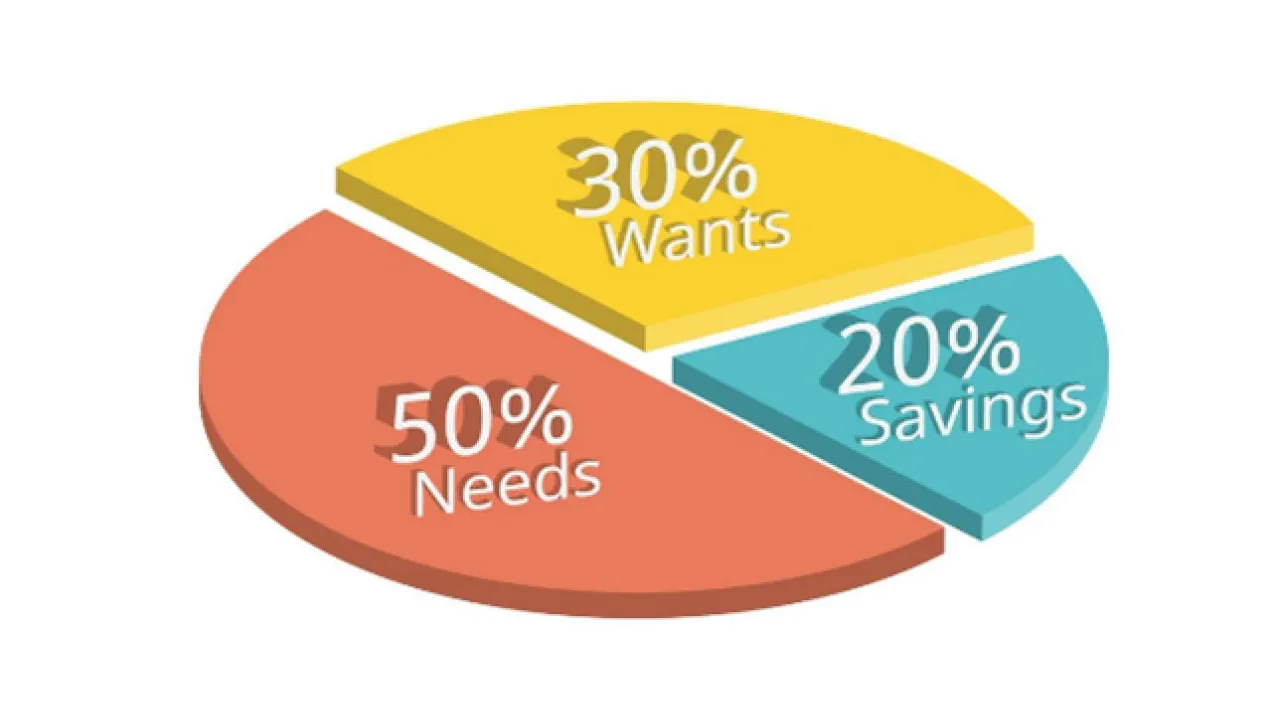
A helpful way to stay organized is by using a structure like the 50/30/20 rule, allocating money toward needs, wants, and savings. Setting aside a portion of your paycheck early, even if it’s small, helps create discipline and prepares you for larger financial responsibilities in the future. Right off the bat, when setting up your brand new direct deposit, go ahead and send 20% of each paycheck to your savings account. This will help you separate your finances mentally by seeing it go into a completely separate account then your Needs and Wants (which should go to your savings).
As you are making your plan, following are some unexpected expenses that you should be aware of to put into your “needs” category of your budget.
- Gas
- Coffee Lunches/ Runs
- Work Clothes
- Temporary Living Costs (if applicable)
- Taxes
- Fall tuition or other out of pocket expenses you need to cover
Skipworth also emphasized being smart and intentional with everyday spending, especially when it comes to food and daily habits. While it’s easy to fall into routines like buying lunch or coffee every day, those small purchases can quickly add up. Planning meals, using campus dining options when available, and being mindful of spending can make a big difference over time. He also encouraged students to look beyond just pay and consider additional benefits or opportunities, such as certifications or scholarships tied to internships. By being proactive and thoughtful with both your spending and opportunities, you can make the most of your internship not just professionally, but financially as well.
As you begin earning money during your internship, it’s highly recommended that you create a budget to stay on track and build strong financial habits early. If you need support, consider stopping by King 210 during walk-in hours (Fridays, 10am–12pm) or scheduling a one-on-one meeting with a Financial Wellness Coach at ninerfinances.charlotte.edu. Taking advantage of these resources can help you feel more confident managing your finances. Good Luck!